
Food is part of everyday life, but our relationship with it isn’t always simple.
What we eat and drink can play a part in supporting both our physical and mental wellbeing, but it is only one part of a much bigger picture. How we feel can also be affected by our experiences, relationships, physical health, circumstances, sleep, stress and many other things.
There isn’t a particular food that will cure anxiety or depression, and struggling with your mental health doesn’t mean that you haven’t been eating the “right” things.
Sometimes simply feeding yourself is enough.
How Can Food Affect How We Feel?
Our bodies and minds aren’t separate from one another, so it makes sense that how we nourish and care for our bodies can sometimes affect how we feel.
Eating regularly can help support our energy levels, while going for long periods without eating may leave some people feeling tired, irritable or finding it harder to concentrate.
Drinking enough fluid matters too. When we haven’t had enough to drink, concentrating and thinking clearly can become more difficult.
Different foods provide the nutrients our bodies need, which is why having some variety can be helpful where this is possible.
Some people also notice that particular things affect how they feel. Caffeine, for example, can contribute to anxiety or sleep difficulties for some people, particularly in larger amounts.
But we’re all different.
Something that suits one person’s body, lifestyle or circumstances may not suit somebody else’s.
There Isn’t a Perfect Mental Health Diet
It can be very easy for conversations about food to become another set of rules.
Eat this. Don’t eat that. Cook everything from scratch. Drink more water. Eat more vegetables. Avoid sugar.
Even when advice is well meant, it can become overwhelming.
Eating is influenced by far more than our knowledge about nutrition. Money, time, culture, physical health, medication, sensory preferences, appetite, caring responsibilities, access to cooking facilities and how we’re feeling emotionally can all make a difference.
And when you’re struggling with your mental health, shopping for food, deciding what to eat and preparing a meal can sometimes feel like an enormous task.
On those days, eating something may be more important than worrying about whether it is the perfect thing.
A meal doesn’t have to be homemade to count. Frozen, tinned and prepared foods can all have a place. Current Mind guidance also points out that fresh fruit and vegetables can be expensive or difficult to prepare and suggests frozen, tinned and other alternatives where these are easier or more affordable.
Looking after yourself doesn’t have to look perfect.
When Eating Is Difficult
Our mental health can affect the way we eat just as much as eating can affect how we feel.
When someone is depressed, they may have very little appetite or find preparing food requires more energy than they have. Other people may find themselves eating more when they’re struggling.
Anxiety can affect appetite and digestion. Stress can change our routines. Some medications can affect appetite, taste or weight.
For some people, food and eating themselves can also be connected with difficult emotions or experiences.
If this is the case for you, being given another list of foods you should eat may not be particularly helpful.
It can be more useful to begin with curiosity rather than criticism. Perhaps notice whether there are times when eating feels easier or more difficult, whether there are foods that feel manageable when your energy is low, and what might make feeding yourself a little easier.
You don’t have to overhaul everything.
Some Practical Ideas
If you would like some practical ideas about food and mood, the video below from Mind looks at everyday things that may help, including eating regularly, staying hydrated, including a variety of foods where possible and noticing how things such as caffeine affect you. These are also reflected in Mind’s current food-and-mental-health guidance.
These aren’t rules that you need to follow perfectly.
You might find one or two suggestions useful and others may not be right for you. Your circumstances, your body and your relationship with food are individual to you.
If you are thinking about making significant changes to what you eat, have a health condition that affects your nutritional needs, suspect a food intolerance or are worried about your health, it can be helpful to speak with your GP or another appropriately qualified healthcare professional.
If Affording Food Is Difficult
Eating well isn’t simply about knowing which foods are good for us.
Sometimes there isn’t enough money for the food we need. Worrying about food, bills and other essentials can itself place an enormous strain on our wellbeing.
If you are struggling to afford food, you don’t have to wait until you have nothing left before asking for help.
Your local Citizens Advice may be able to help you access a food bank and can also look at whether there is other financial or benefits support available. Some food banks require a referral, although others may not.
You can also use Trussell’s food-bank finder to find emergency food support in your area. Trussell advises that local food banks can tell you which organisations can provide a food voucher where one is required.
Needing some help with food is nothing to be ashamed of. Sometimes circumstances simply mean that there isn’t enough money to make everything stretch.
Food as One Part of Looking After Yourself
Food can support our wellbeing, but it doesn’t need to become another thing to get right.
Perhaps there are small things that feel manageable: having something to eat after you wake up, keeping an easy option available for difficult days, having a drink beside you while you work, noticing that too much coffee makes you feel more anxious, or sharing a meal with somebody you enjoy being with.
For somebody else, looking after themselves might simply mean managing to eat something today.
Both matter.
If you are struggling emotionally, changing what you eat isn’t a substitute for getting the support you need. But food can be one of the ordinary ways we care for ourselves — alongside rest, connection, movement, relationships, medical care, counselling or whatever else is helpful for you.
It doesn’t have to be perfect to be worthwhile.
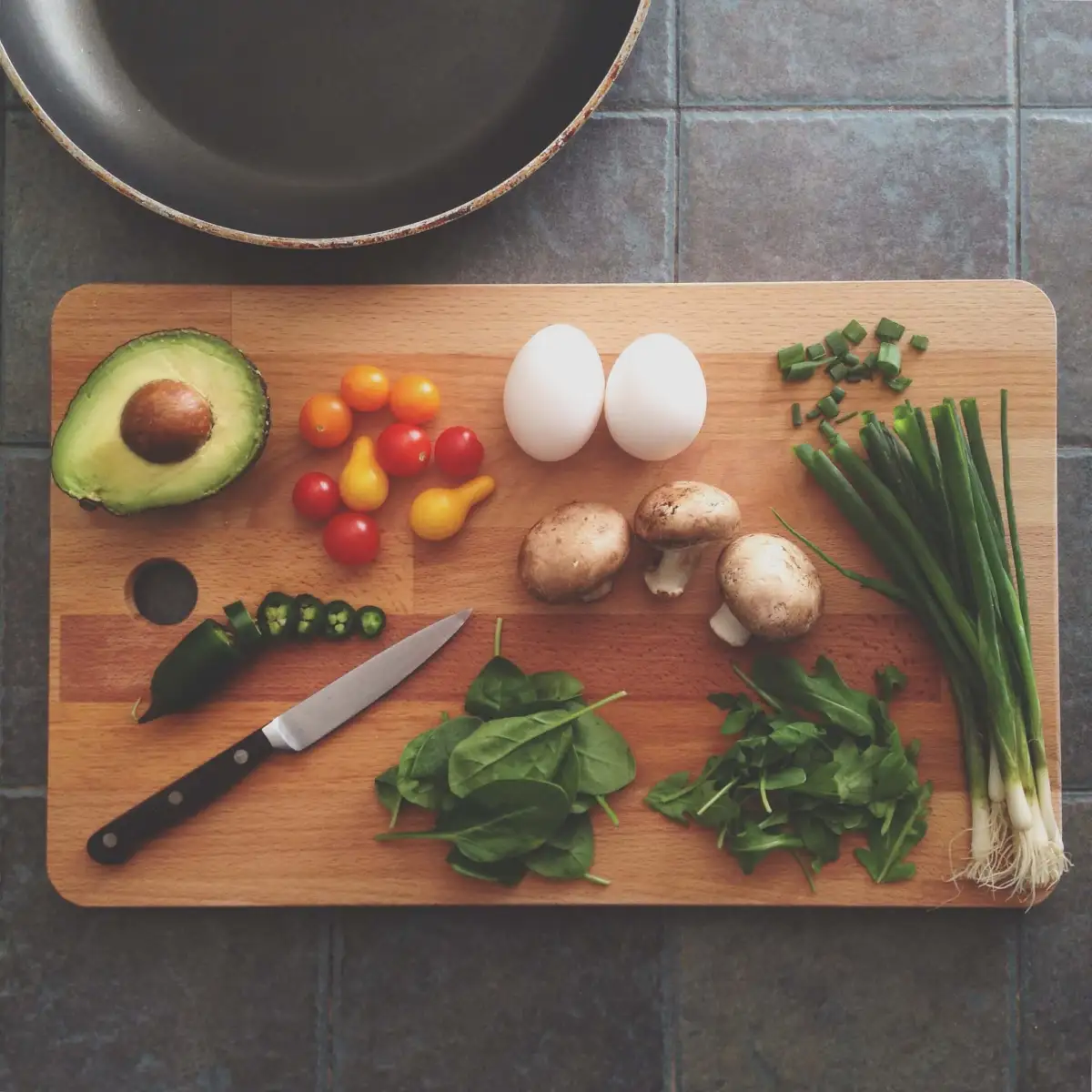
Image courtesy of Katie Smith.